Articles
What Blue-Zone Greeks Eat at Christmas 🎄
When most of us think about holiday eating, we picture mountains of cookies, gravy boats, and that annual time of year where your clothes fit a little too snug. However, in Ikaria, Greece’s Blue Zone island where people are known to live the longest, the holiday season looks a whole lot different.
Christmas in Greece, and Ikaria specifically isn’t all about indulgence, it’s about simple, flavorful, and seasonal food that brings people together without leaving anyone feeling so full they want to hibernate until February.
So what exactly is at the table in a place so famous for longevity? Let’s dig into what Blue-Zone Greeks eat at Christmas.
The Foundations: How Blue Zone Greeks Eat During the Holidays
Even when the Christmas season rolls in, Ikarians don’t just ditch their everyday habits for a month-long binge eating fiesta. Their holiday table still follows the same rhythms that keep them feeling spry all-year-long. The magic is in the simple traditions that just so happen to be good for you!
Winter veggies like leafy greens, carrots, potatoes, and citrus are in abundance during this time of year. You’ll find at the table big bowls of beans, slow-cooked veggies, and of course, some holiday treats. Seasonality drives the menu with an emphasis on whatever is growing in December. Fresh, local winter produce is the star of the show.
Olive oil is the base of most dishes. It adds a richness without relying on butter or cream. This is the not-so-secret ingredient to the Blue Zone diet both during the holidays and all-year-round. Herbal teas may replace sugary drinks, warming you up on a chilly winters night, and although meat like pork or goat might make an appearance on Christmas Day for the special occasion, the diet of those in Blue Zones still heavily is plant-focused.
Lastly, but certainly not least, meals are lingered over, and never rushed. A HUGE part of this diet and culture is not the food itself, but the pace. Plates are shared, conversations are long, and no one is shoveling shortbreads in at midnight. In short, holidays in Greece are celebratory, but they never lose that laid-back vibe the island is famous for!
Traditional Holiday Staples in Blue Zone Greece
Even on an island known for longevity and low stress, Christmas comes with its own line-up of special dishes. Most of them are naturally wholesome, and they don’t shy away from flavor or tradition. Here is some inspiration on what you may find around the holiday table:
Christopsomo (Christ Bread) Christopsomo is mildly sweet, often made with whole grains, olive oil, nuts, and warm spices. It’s decorated with a cross and cracked walnuts on top (a symbol of good fortune and family unity).
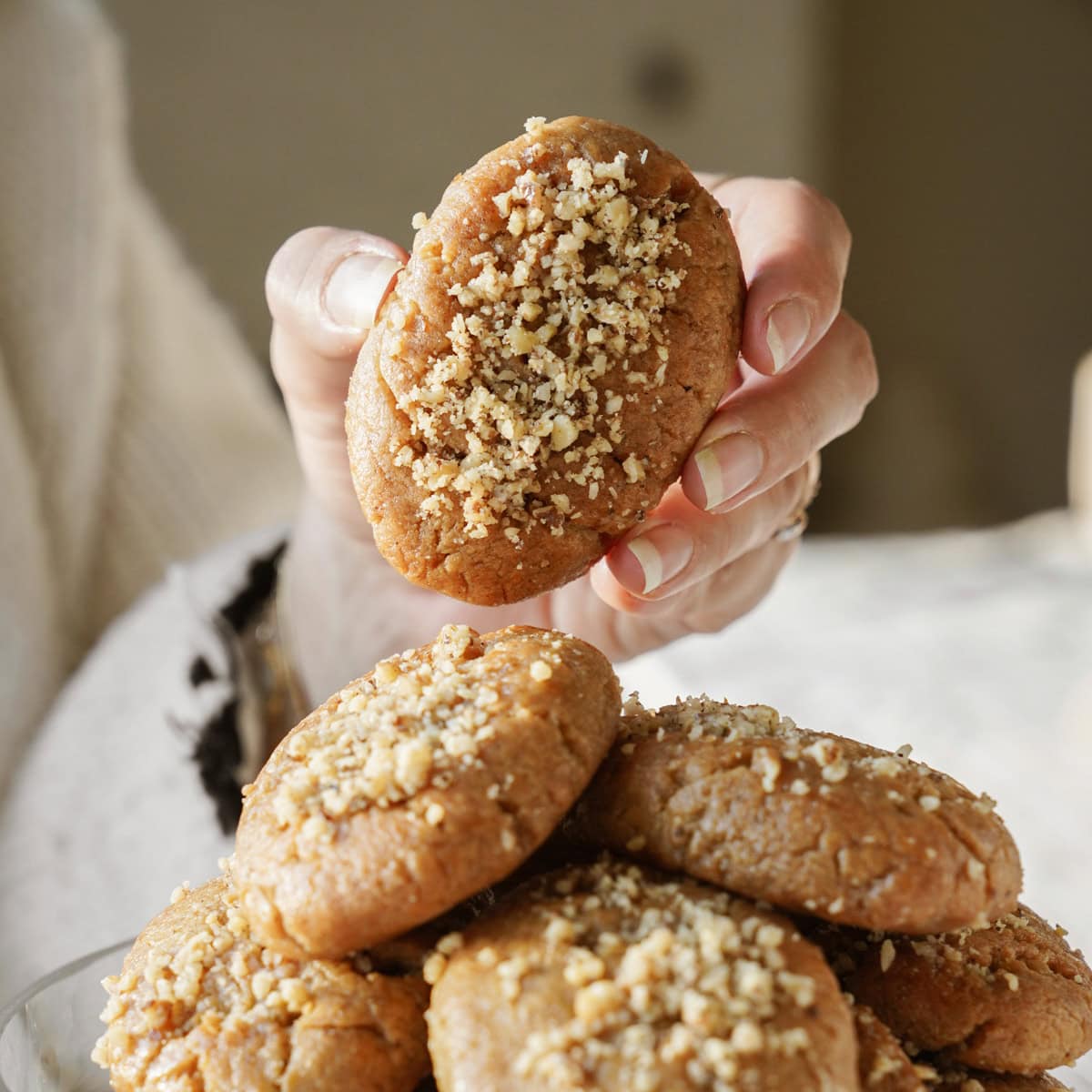
Melomakarona Melomakarona are soft, fragrant cookies made with olive oil, orange, cinnamon, and ground nuts, then dipped in a honey syrup. They taste decadent but are surprisingly wholesome, thanks to the olive oil base and natural sweeteners.
Kourabiedes Think almond shortbread dusted generously in powdered sugar. Ikarians don’t pile these onto platters like North Americans do with Christmas squares. It’s more of a “one or two with company” situation.
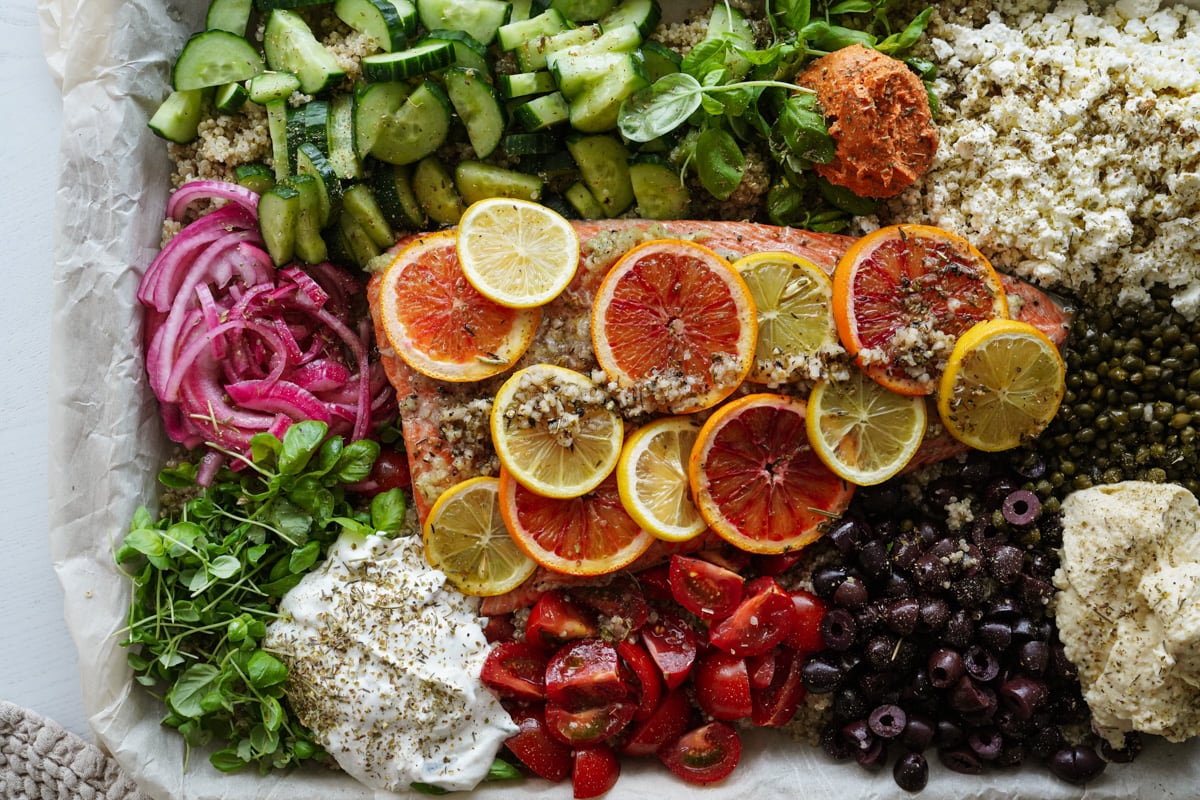
What Blue-Zone Greeks Eat at Christmas: Festive Main Course
Holiday meals in Ikaria feel celebratory without turning into a full-on eating marathon. The dishes are comforting and satisfying, but they stay true to the Blue Zone beliefs and approach. They use simple ingredients, slow cooking, and are plant-forward. Here are some dishes you may find around the table:
Fish The Blue Zone diet is very plant-forward but they also eat a lot of seafood as a lean source of protein. At a holiday meal you may occasionally find goat or pork since it’s a special occasion but you will more likely find veggie dishes and seafood.
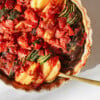
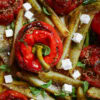
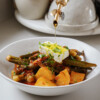
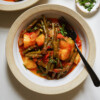
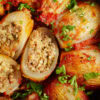
Ladera (Vegetables Cooked in Olive Oil) These dishes are the unsung heroes of the Ikarian holiday table. Green beans, peas, carrots, okra, potatoes, etc. all slow-cooked in generous olive oil with tomato, herbs, and garlic. They’re rich, comforting, and somehow taste like sunshine even in December.
Wild Greens (Horta) Ikarians eat wild greens year-round, and the holidays are no exception. Horta might be boiled with a squeeze of lemon or sautéed with garlic, making it the kind of side dish that sneaks extra nutrients onto the plate without feeling “healthy” on purpose.
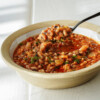
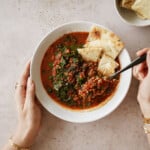
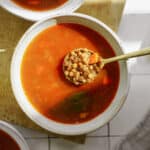
Legume Stews Beans don’t take holidays off in Blue Zone Greece. Lentils, chickpeas, and fava beans simmer into hearty stews that show up throughout the season. These dishes are so warm and comforting.
Winter Veggie Comforts Whatever’s local and seasonal gets a starring role such as roasted carrots, potatoes, beets, squash. Ikarians dress everything simply with things like olive oil, lemon, herbs, and maybe a sprinkle of local cheese.
Seasonal Sides & Meze
While the main dishes take centre stage during Greek holiday celebrations, it’s the sides and meze that truly bring the table to life.
Citrus & Pomegranate Winter fruits aren’t just for dessert. Fresh oranges, clementines, and pomegranate seeds are tossed into salads, squeezed over greens or roasted veggies, or served as a simple snack. They add a pop of color, a burst of sweetness, and a healthy dose of antioxidants.
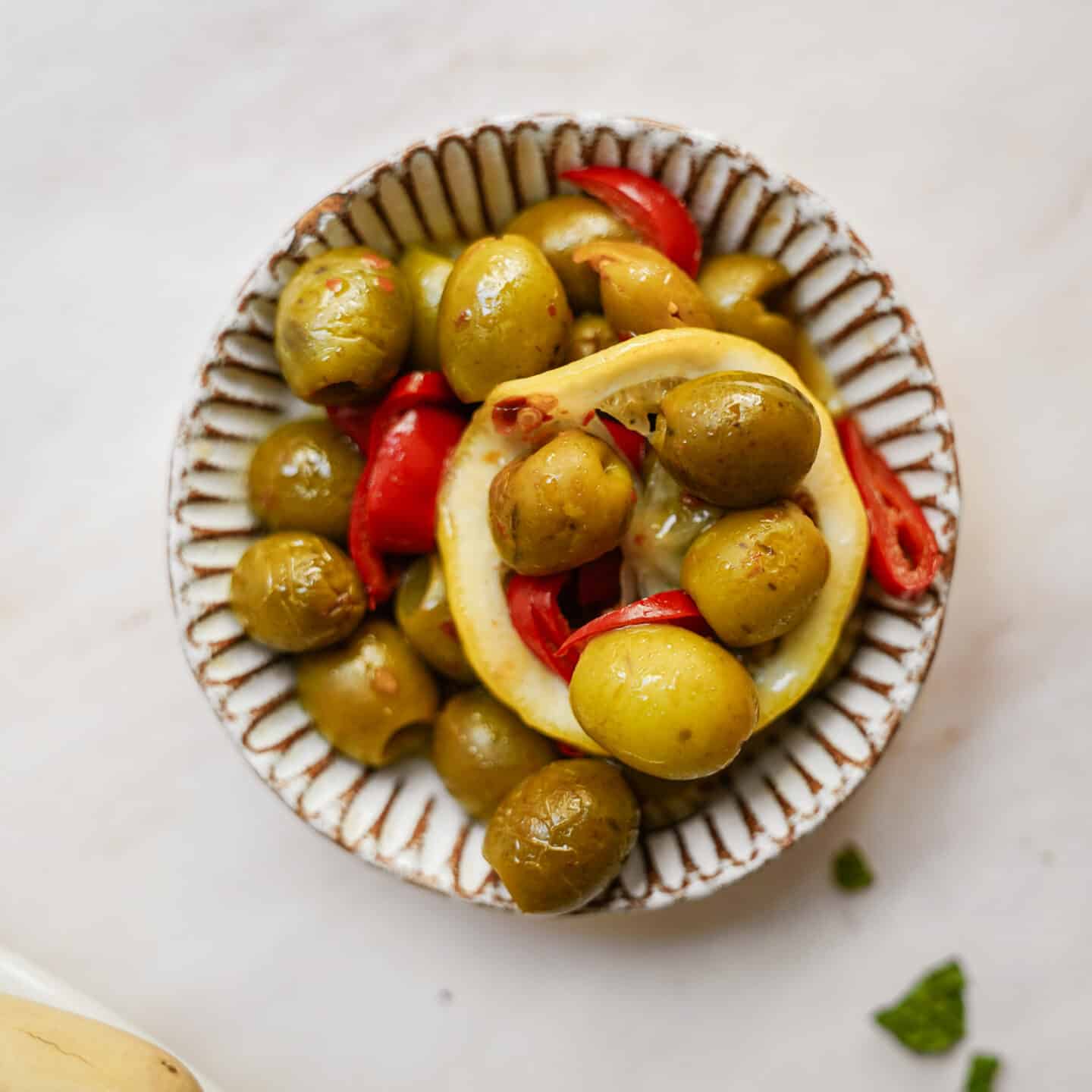
Marinated Olives & Homemade Pickles Greek tables love a good pickle or brine, and the holiday season is no exception. Small bowls of olives, pickled vegetables, or preserved lemons make their appearance throughout the holiday season.
Local Cheeses Goat and sheep cheeses make occasional appearances, sliced thinly or crumbled over a salad. Portion control is key here for those on the Blue Zone diet.
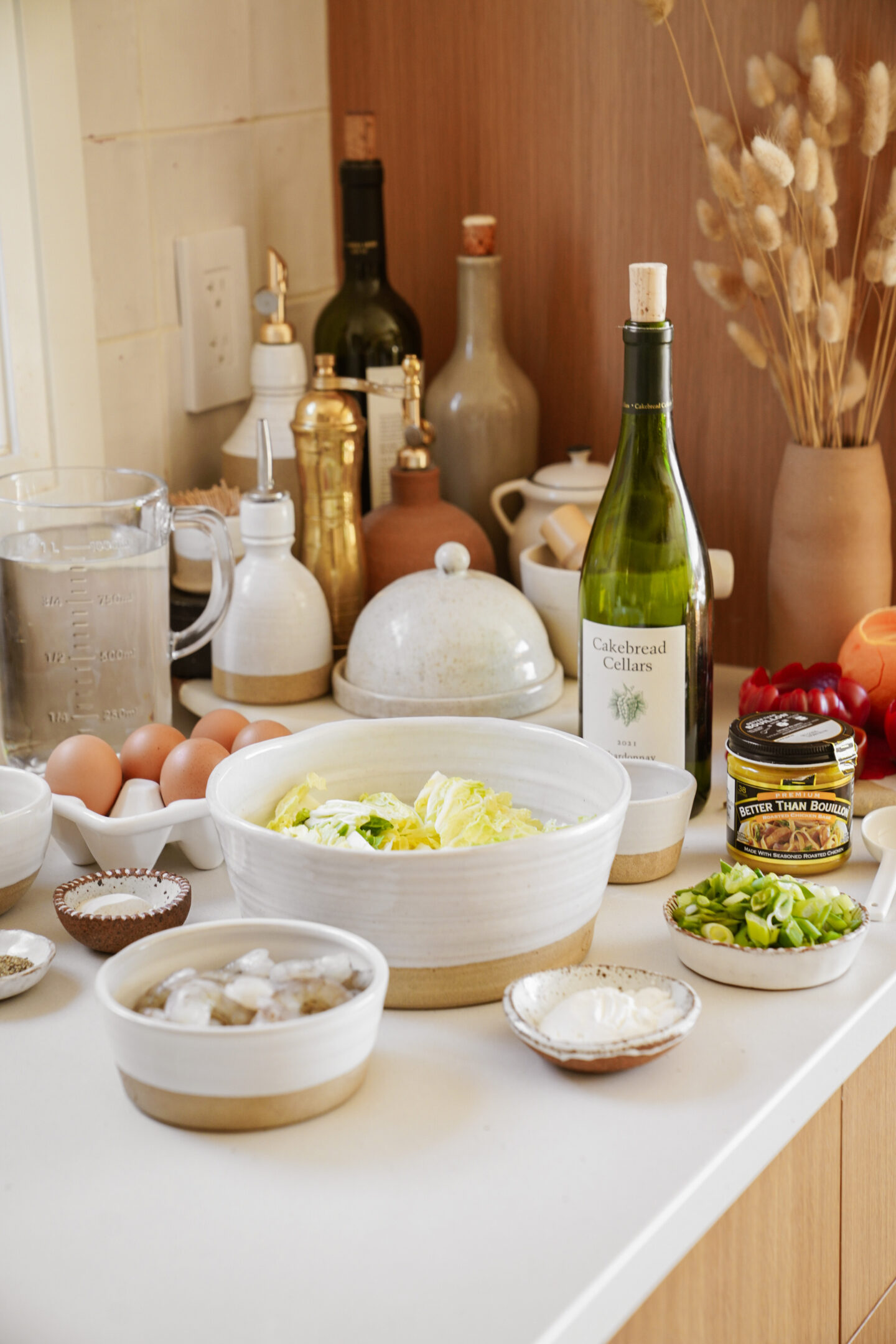
Drinks: What They Sip
No Blue Zone holiday table is complete without a beverage, but in Ikaria, the drinks are just as mindful as the food. Rather than endless sugary cocktails or creamy eggnog, locals opt for simple, nourishing drinks that complement their meals and the season.
Red Wine (in Moderation ) A glass of red wine often accompanies the main meal. It’s not about getting tipsy, it’s about flavor, enjoyment, and a little antioxidant boost. The portions stay small and intentional.
Herbal Teas Herbal teas made from sage, rosemary, oregano, or other wild mountain herbs are a staple. Served hot, they warm the body on chilly winter nights. Many locals sip these teas throughout the day, not just with dessert.
Tsipouro For particularly festive moments, a small glass of tsipouro, a Greek distilled spirit, might make an appearance. Even then, it’s savored slowly, keeping the focus on community and conversation rather than indulgence.
The Fasting Tradition
One of the secrets behind a balanced Blue Zone holiday is fasting. Greek Orthodox traditions call for a period of abstaining from meat, dairy, and eggs leading up to Christmas. For Ikarians, this isn’t about deprivation but it’s about resetting the body and making the eventual “feast” feel extra special.
During the fasting weeks:
- Legumes take centre stage
- Vegetables dominate the plate
- Olive oil is the hero
By the time Christmas Day arrives, the body is ready for celebration without overindulgence.
What North Americans Can Borrow
You don’t need to hop on a plane to Greece to bring a little Blue Zone magic to your holiday table (although you can if you want to). Here’s what you can borrow from Ikarian traditions:
- Cook with olive oil
- Add more beans and winter, in-season veggies
- Swap some sweets for honey- or nut-based treats
- Keep meat special
- Make meals social (linger and prioritize connection)
- Sip mindfully
By blending these ideas with your own traditions, you can create a holiday season that feels indulgent yet balanced. I hope my guide helped on what Blue-Zone Greeks eat at Christmas. Happy holidays! 🎄
Post A CommentCancel reply
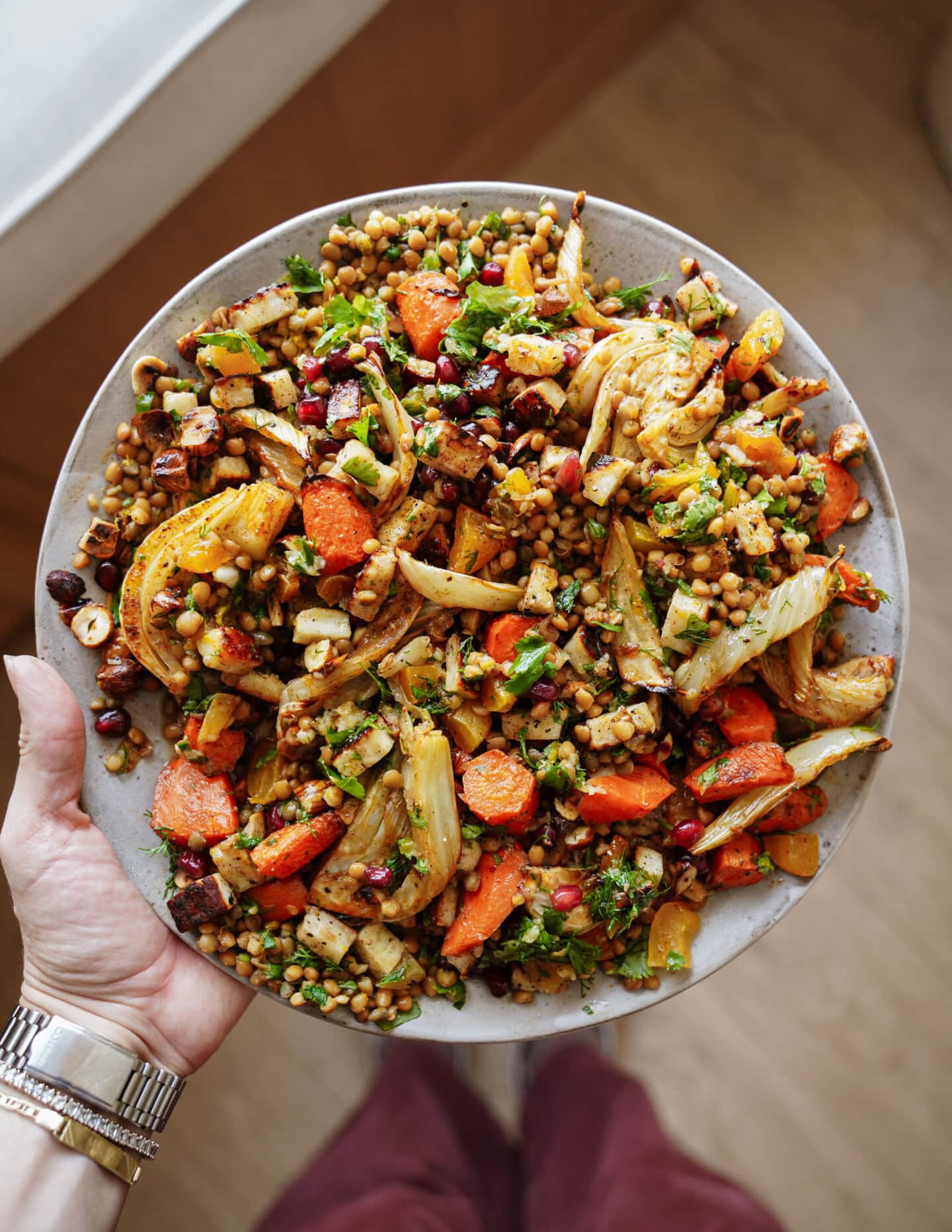
Halloumi Salad
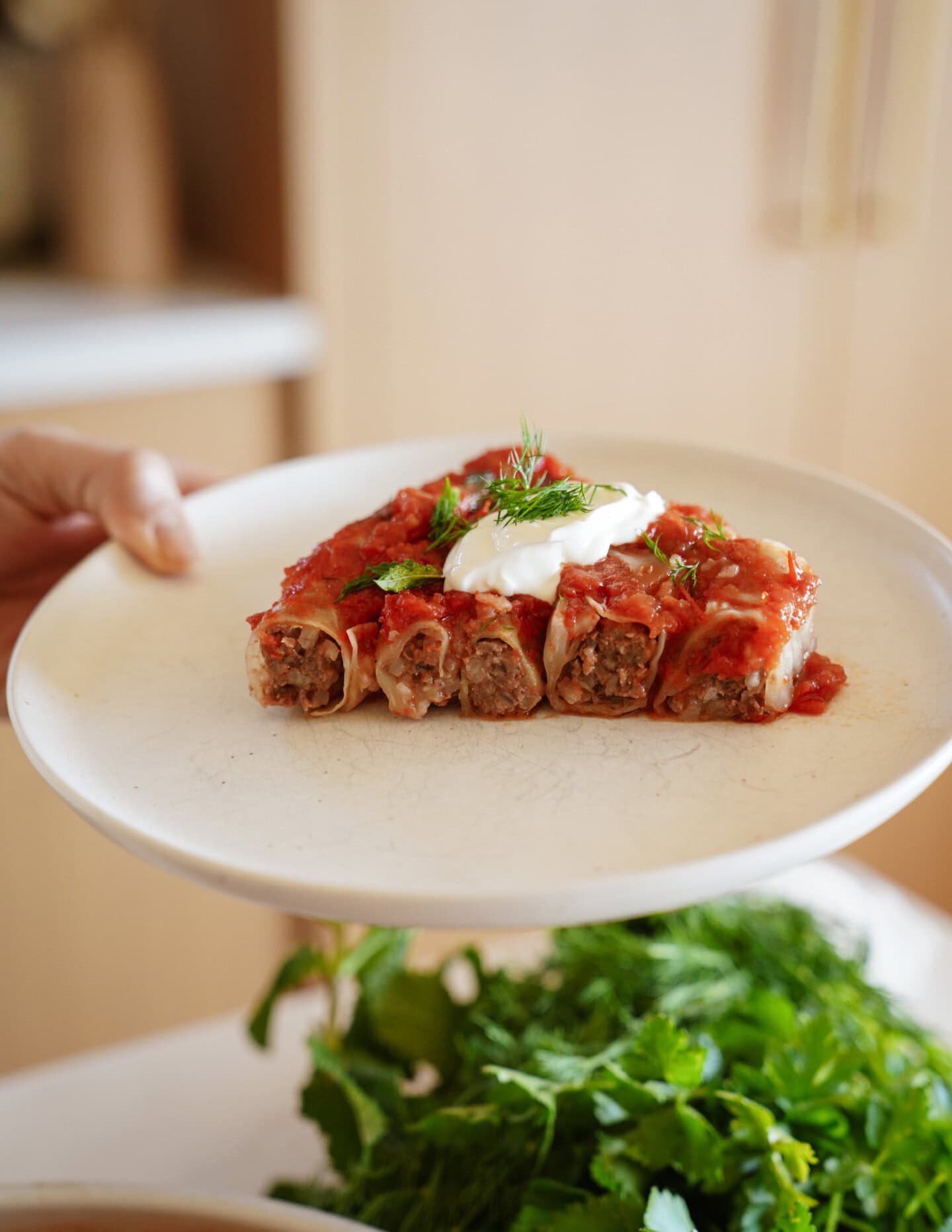
Cabbage Roll Casserole 🥬
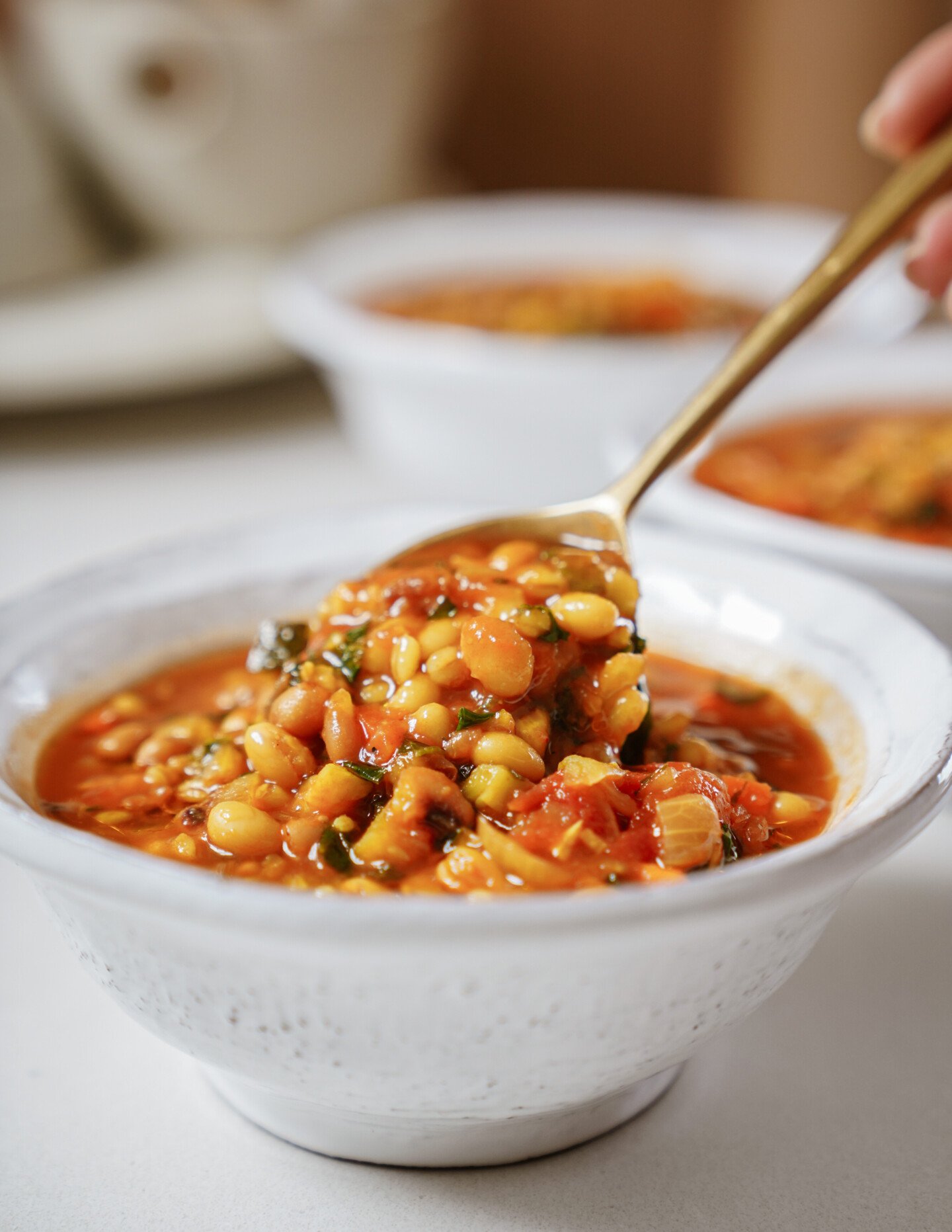
Blue Zone Minestrone Soup 🥣